
Antonio Michael Downing on Inner and Outer Colonialism
The author and musician talks about his book Black Cherokee and racial expectations in musical genres


Listen on our host site, Apple Podcasts, Spotify, iHeartRadio, and elsewhere.
The opening and closing lines of Antonio Michael’s memoir Saga Boy are “The Queen designed my brain.” Growing up in Trinidad, it didn’t really register until later in life how weird it was that a distant white person played such a prominent role in his town and culture.
Saga Boy is about me going, “Well, how do I figure out myself?” And then I was like, “Well, I gotta figure out my parents to figure out myself.” And then, “How do I figure out their parents? Well, I gotta figure out their parents.” And then I had to ask the question, “What are these West African people doing on a little island in South America?” … And that led to the fact that my entire life — although I didn’t understand it, and I don’t think that anyone really does because that’s how history works — is shaped by forces that I did not understand, could not see, but was all around me at the exact same time. So you live it, and you’re just living your life as a kid, and then suddenly you look back and you go, “Yeah, how come there were no white folks there, but the queen was sitting there looking down on me at school everyday?”
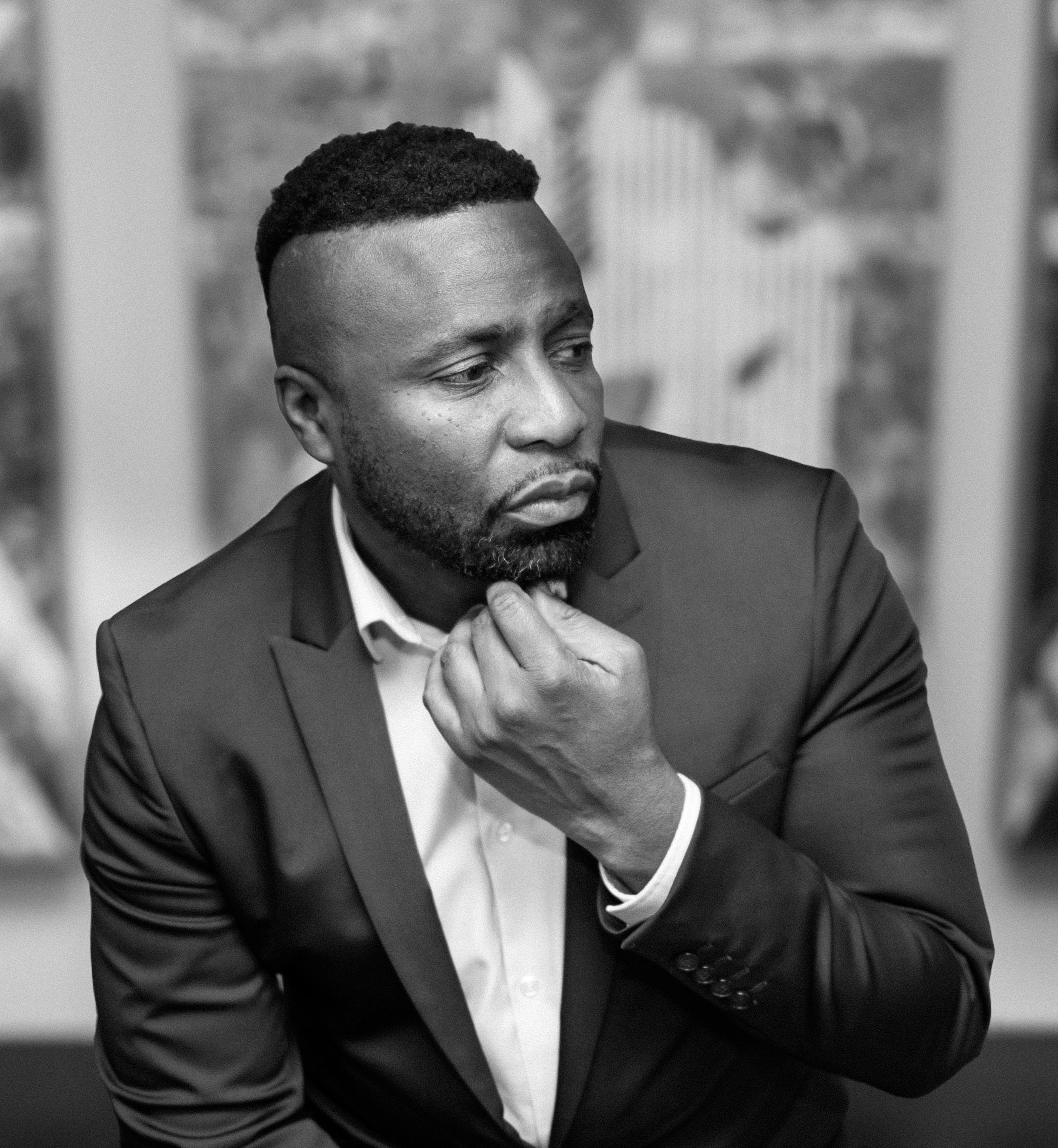
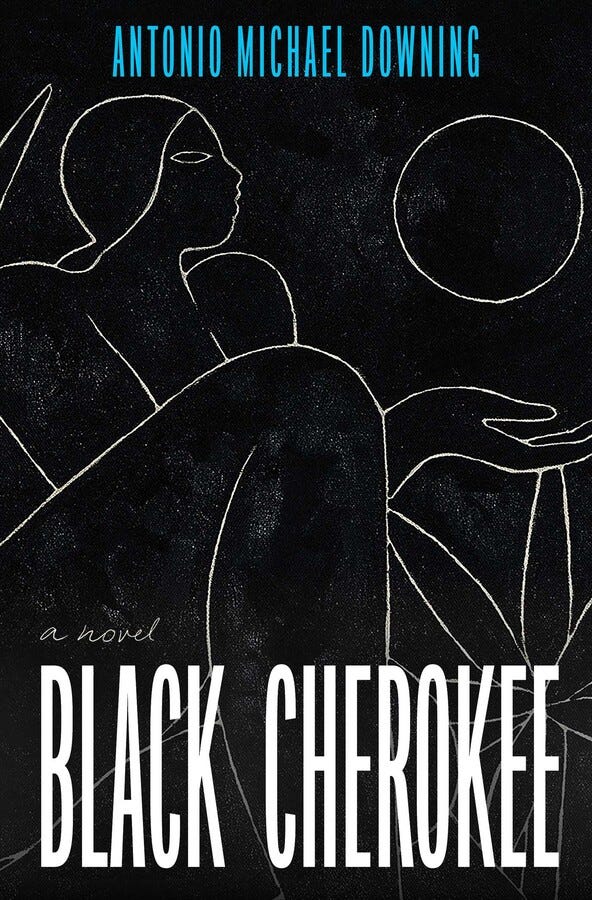
If his memoir is a personal story grappling with the effects of colonialism on his psychology, his first full-length novel, Black Cherokee, is a story constructed to show the ways that everyone is living underneath unseen layers of history that they don’t understand.
The story follows Ophelia Blue Rivers — whose Black grandmother married the Cherokee Chief Trouthands — through four slices of time from 1993 to 2005. The book begins with Grandma Blue raising her on the Cherokee reservation while the disbanded tribe figures out how to handle a cattle farm that’s polluting the river. When she’s shipped off to live with her aunt in the nearby town, Ophelia has to integrate herself into typical southern society, finding temporary belonging in a Baptist church. As she enters high school, she again has to assimilate, this time into affluent white society.
In a lot of ways, you can read it as an allegory of America’s story because the people that created America are all present, and it’s almost like a time-warp back to that time where they were all interacting and creating the history. But now we’re in the future, and it’s all sort of happening at once. The history is haunting the present.
Aside from his two books, Antonio Michael has a long history of music production and singing, mixing genres and moving through different personas. In Saga Boy he relates the moment he fell in love with the stage, his accumulation of instruments and recording equipment as a teen, and his affinity for all different sorts of music. Early on in his Canadian life, he started listening to heavy bands like Slayer, Metallica, and Guns N’ Roses, which later played a role in his punk and hip-hop band Jen Militia. Eventually he veered more towards crooning, settling into his current persona, John Orpheus, “blending Afro-Caribbean rhythms, soul, and storytelling into genre-bending sound.” (From his website bio.) He’s also the host of the CBC Radio program The Next Chapter discussing books with authors and columnists.
In our interview, we talk about his books, audience expectation when it comes to race and incorporating such varied styles, and the disregard of the tech industry when it comes to profiting off of the work of artists without compensation. The episode is scored with the John Orpheus song, “Fela Awoke (I Will Miss You).”
Keep up with Antonio Michael Downing:
I enjoyed listening to this interview so I bought his book and I am looking forward to reading it.